)
Defra urged to do more to safeguard the UK's food supply
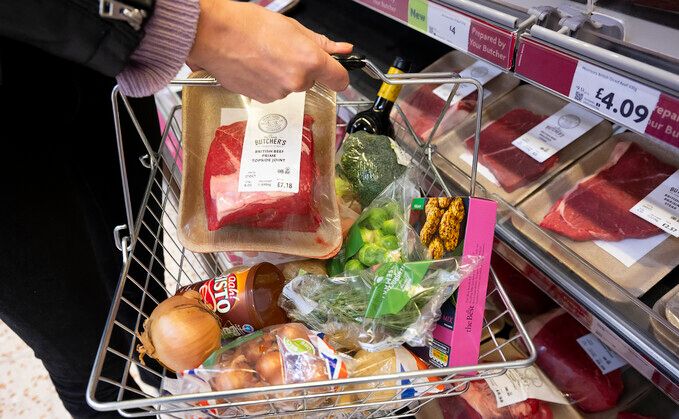
A new report from the National Audit Office (NAO) warns that while the UK's food supply chain has demonstrated resilience through recent crises, the risks it faces are becoming more frequent and severe. Extreme weather, geopolitical tensions and conflicts such as the war in Ukraine and ongoing instability in the Middle East all have the potential to disrupt food production and distribution.
The report argues that Government can no longer rely predominantly on the private sector to keep food supplies moving during major disruptions and should take a more proactive approach to national food resilience.
Strengthening preparedness
Food is one of 13 Critical National Infrastructure sectors identified as essential to the UK's ability to function. While the NAO recognised that Defra has taken positive steps – including expanding its Food Supply Chain Resilience team and increasing its focus on planning for catastrophic events – it found there is still more to do.
In particular, the report highlights a lack of engagement with businesses, households and communities around preparing for potential food shortages. Gareth Davies, head of the NAO, said recent disruptions had demonstrated the resilience of the UK's food supply chain, but warned that the likelihood and severity of future risks are increasing.
The NAO has recommended that Defra learns from approaches taken internationally and strengthens its emergency preparedness by testing plans alongside local government and industry. It has also called for Defra to refresh its approach to working with food supply chain businesses, assess the costs and benefits of resilience measures used in other countries, and review whether its existing response plans and legal powers would be effective during a major disruption.
From ‘just-in-time' to ‘just-in-case'
The findings echo recommendations from the National Preparedness Commission's 2025 report, Just in Case: Seven Steps to Narrow the UK Civil Food Resilience Gap, authored by Professor Tim Lang of City St George's, University of London. The report called for a shift away from ‘just-in-time' logistics towards a ‘just-in-case' approach, recognising that highly efficient supply chains can also be vulnerable when unexpected disruption occurs.
For British agriculture, the issue extends well beyond supermarket shelves. The resilience of the food system is closely linked to the resilience of farms themselves – from access to energy, fertiliser, machinery and labour to the ability to produce crops and livestock profitably in increasingly unpredictable conditions.
Recent years have demonstrated how quickly global events can feed through to farm businesses. The Covid-19 pandemic, Russia's invasion of Ukraine, soaring energy and input costs, poor harvests and extreme weather have all highlighted the interconnected nature of the UK's food system.
NFU president Tom Bradshaw previously warned that food security must remain a national priority. He said: "Food security is absolutely vital to our nation's resilience, but our current food system is not where it needs to be to withstand future crises."
Farming at the heart of resilience
The NAO's findings reinforce the importance of a productive and profitable domestic farming sector as part of the UK's wider resilience strategy. Farmers cannot be expected to provide resilience in isolation. Investment in infrastructure, technology, skills, energy, water management and innovation will all play a role in ensuring British agriculture can continue producing food when faced with disruption.
For farmers, this could mean greater emphasis on technologies that improve productivity while reducing reliance on vulnerable inputs, alongside investment in automation, renewable energy, precision technology and more resilient production systems. It also highlights the importance of collaboration across the agricultural supply chain. Government, farmers, processors, retailers, researchers and technology providers all have a role to play in identifying vulnerabilities and developing practical solutions.
A Defra spokesperson said the Government recognised that risks to food supplies were becoming more complex and that it was working with farmers and the food and drink industry to strengthen the UK's food security and resilience. The Government also reiterated that food security is national security, acknowledging the role farmers play in maintaining the country's ability to feed itself.
Innovation and resilience
Building a more resilient food system will require more than contingency plans. It will require continued investment and innovation across every stage of production.
From autonomous machinery and precision farming to alternative fuels, improved soil management, renewable energy and new approaches to livestock production, technology has the potential to help farmers produce more efficiently while becoming better equipped to withstand future shocks.
That is where events such as LAMMA play an important role, bringing farmers, manufacturers, technology providers and industry experts together to explore the equipment, ideas and innovations that can help build more productive and resilient businesses.
For British agriculture, building resilience starts on the farm, but safeguarding the nation's food supply will require the whole industry to work together.
)